
Why Athletes Improve So Much in the NCAA: The Science Behind Performance Gains
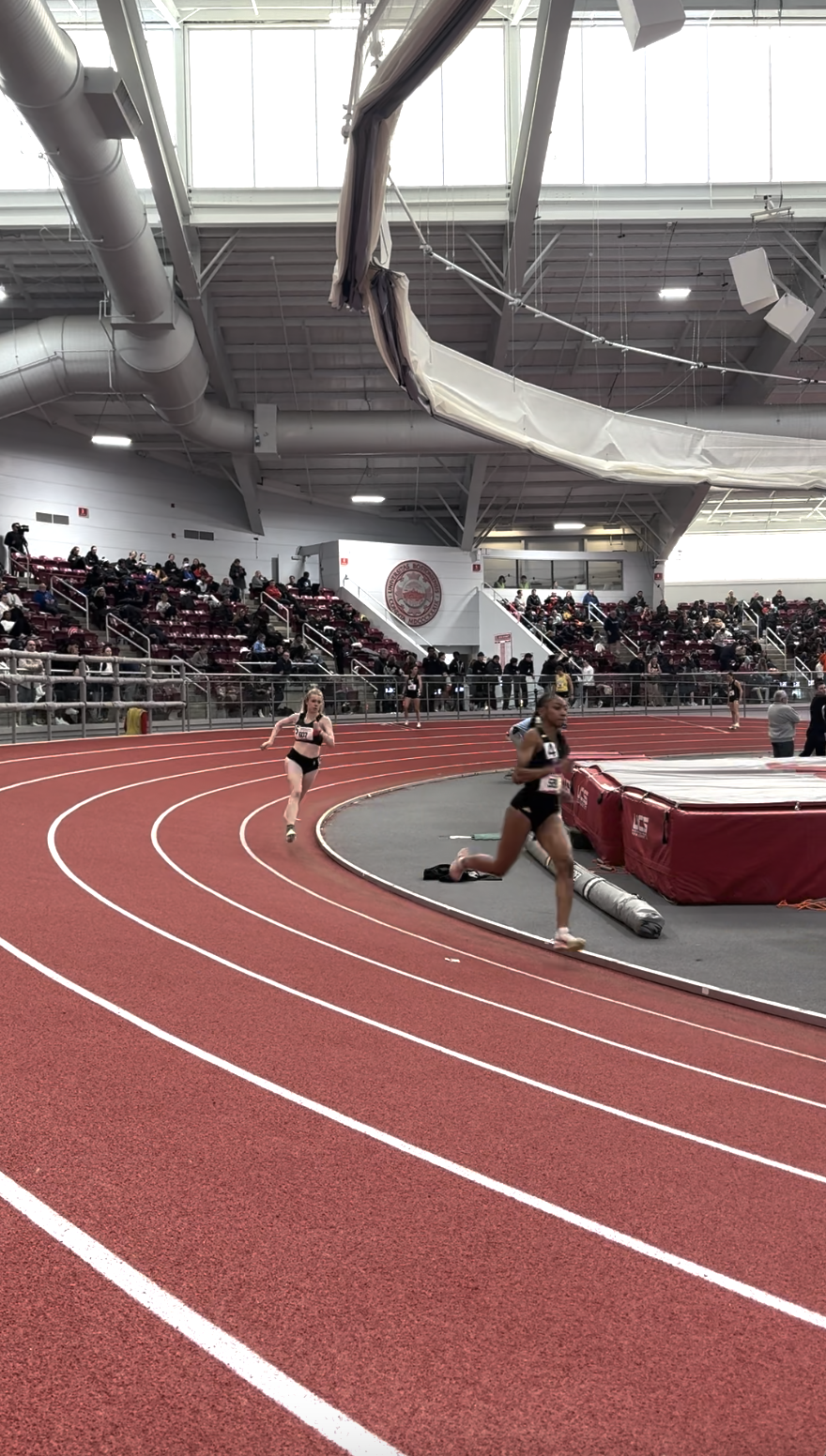
Photo taken in at Boston University Track & Tennis Center.
For many athletes considering the U.S. college pathway, one question comes up repeatedly:
Why do athletes improve so much in the NCAA system?
It’s a fair question. Time and time again, athletes who transition into U.S. collegiate sport, particularly in track & field, see significant improvements in performance over relatively short periods.
This isn’t a coincidence.
It’s the result of a highly structured performance environment, consistent competition, and access to resources that are often difficult to replicate elsewhere.
In this article, we break down why these improvements happen, and what athletes, parents, and coaches should understand about the NCAA development system.
a fully integrated performance environment
One of the biggest differences between the NCAA system and many other pathways is the integration of performance support.
In the NCAA, athletes are not just training. They are part of a system designed to optimise performance across multiple areas:
Strength & Conditioning coaches
Athletic trainers and physiotherapists
Nutritionists
Sports psychologists
Performance analysts
According to the NCAA GOALS Study, over 80% of Division I student-athletes have regular access to strength & conditioning support, while a significant proportion also receive structured recovery and medical care.
This creates an environment where athletes can train consistently while reducing injury risk, which is a key factor in long-term improvement.
the training volume and structure creates consistency
Improvement in sport is rarely about one breakthrough moment; it’s about consistent training over time.
In the NCAA:
Athletes train 5–6 days per week in structured programmes
Sessions are periodised across indoor and outdoor seasons
Workloads are monitored and adjusted regularly
Research in sports science consistently shows that training consistency is one of the strongest predictors of performance improvement, particularly in endurance and middle-distance events.
In contrast, many athletes outside of the NCAA system experience:
Interrupted training cycles
Limited coaching oversight
Inconsistent competition schedules
The NCAA removes many of these barriers.
higher frequency of competition
Competition is one of the most powerful drivers of performance.
In the NCAA system:
Athletes may compete every 1–2 weeks during the season
Meets are often high standard, with deep fields
Athletes are exposed to pressure regularly
This is significantly higher than many domestic systems, where athletes may compete less frequently.
A study published in the Journal of Sports Sciences found that regular exposure to competition improves race execution, pacing strategy, and psychological readiness, all of which contribute to faster times.
In simple terms: the more you compete at a high level, the faster you adapt.
competitive training environment
Another major factor is the training group environment.
In the NCAA, athletes are surrounded by:
Teammates competing at similar or higher levels
Daily competition within training sessions
A culture of performance and accountability
This creates what sports psychologists call a “performance climate”: an environment where improvement is expected and supported.
Research shows that athletes training in competitive groups demonstrate:
Higher motivation
Greater adherence to training
Faster performance progression
Put simply: who you train with matters.
access to resources that enhances marginal gains
At higher levels, improvement often comes down to marginal gains, small improvements across multiple areas.
NCAA athletes benefit from:
Strength programmes tailored to their event
Nutrition plans to support performance and recovery
Recovery protocols (ice baths, massage, physio)
Sports psychology support
These factors may seem small individually, but together they create significant performance gains.
For example:
Proper recovery alone can reduce injury risk by up to 30% (British Journal of Sports Medicine)
Strength training has been shown to improve running economy by 2–8% in endurance athletes
Over time, these gains compound.
the psychological shift
Perhaps the most underrated factor is mindset.
Athletes entering the NCAA are placed into an environment where:
Performance expectations are higher
Standards are clearer
Accountability is built into the system
This often leads to a psychological shift:
Greater discipline
Improved focus
Increased resilience
According to the NCAA GOALS Study:
72% of student-athletes report improved time management skills
A majority also report increased confidence and mental toughness
This mental development is often what allows physical improvements to follow.
a big focus on long-term development
One of the biggest differences in the NCAA system is the focus on long-term progression.
Athletes are developed over:
3–5 years
Multiple competitive seasons
Structured performance plans
This allows:
Gradual increases in training load
Technical development
Strength progression
Tactical awareness
Many athletes outside the system focus heavily on short-term results, whereas NCAA programmes are built around long-term athlete development models.
so, why do athletes improve so much?
When you combine all of these factors, the answer becomes clear.
Athletes improve in the NCAA because they are placed in an environment where:
✔ Training is consistent
✔ Competition is frequent
✔ Support is comprehensive
✔ Standards are high
✔ Development is structured
Improvement isn’t accidental.
It’s built into the system.
where we come in
At Olympic Sports Scholarships, our role goes beyond simply helping athletes secure a place in the U.S.
We help athletes:
Understand the level they fit into
Prepare for the demands of the NCAA environment
Navigate the recruitment process strategically
Set realistic expectations for development
Because getting to the U.S. is just the beginning.
The real opportunity lies in what athletes do once they’re there.
turning potential into possibility
Earning a U.S. sports scholarship can be life-changing, opening doors to world-class education, elite competition, and unforgettable experiences. But it shouldn’t be left to guesswork.
Olympic Sports Scholarships exists to give athletes clarity, confidence, and opportunity, helping them turn hard-earned talent into a future they’re proud of.
If you’re an athlete dreaming of competing and studying in the U.S., Olympic Sports Scholarships could be the team you didn’t know you needed.
Free tool
Are your times good enough for a US scholarship?
Enter your PB and see whether it matches D1, D2, NAIA or junior college standards in your event.
Check your PB against D1, D2 and NAIA standardsFree download
The Athlete's Guide to US Scholarships
How US college sport works, how scholarships are funded, what you need to qualify and when to start.
Get the free guideReady now? Take the free scholarship assessment