
Trump NCAA Executive Order 2026 Explained: Eligibility, Transfers & Scholarships
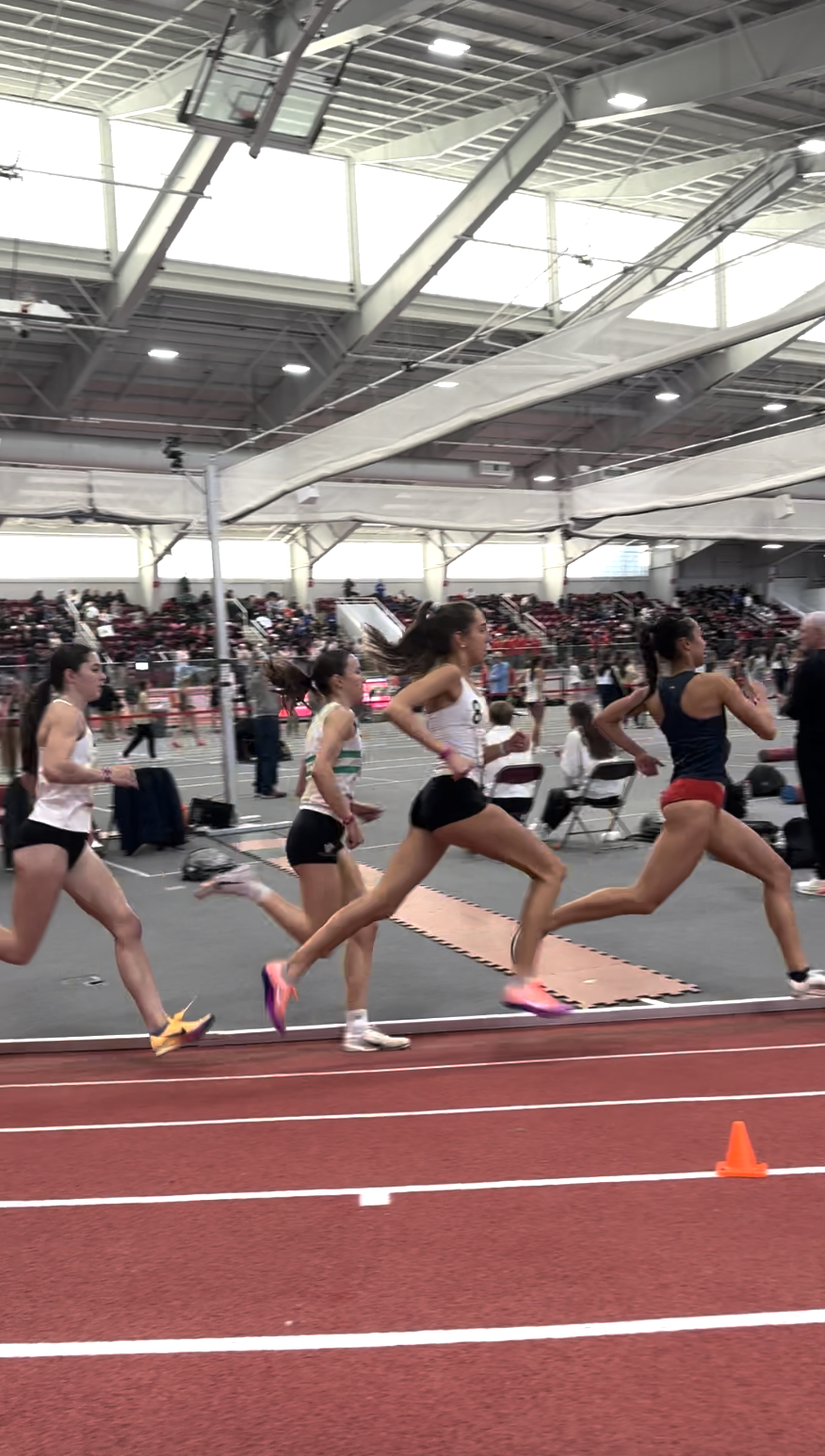
Photo taken in at Boston University Track & Tennis Center.
In April 2026, President Donald Trump signed an executive order aimed at reshaping the structure of college athletics in the United States.
The order — titled “Urgent National Action to Save College Sports” — focuses on three key areas:
Athlete eligibility
Transfer rules
Financial regulation and stability
For athletes, parents, and coaches navigating the U.S. pathway, these changes could have a significant impact.
the new 5-year eligibility rule
One of the most notable changes is the introduction of a 5-year participation limit.
The executive order directs the NCAA to implement rules allowing athletes to compete for no more than five years, with limited exceptions such as military or public service.
Previously:
Athletes had 4 seasons of competition within a 5-year window
Now:
The system moves closer to a “5 in 5” model, giving athletes the opportunity to compete for the full duration.
This is a major structural shift.
👉 For athletes, it means more potential playing time
👉 For coaches, it means longer athlete retention
transfer rules: back to one move only
The executive order also targets the NCAA transfer system.
In recent years, athletes were allowed to transfer multiple times without penalty. However, the new directive aims to:
Limit athletes to one transfer without sitting out
Allow further flexibility only under specific conditions (e.g. post-graduation)
This is effectively a return to a more traditional transfer structure.
👉 The goal is to reduce instability and “free movement” between programs
👉 But it may also limit flexibility for athletes seeking better opportunities
employment through federal funding
One of the most powerful elements of the order is how it is enforced.
Universities that fail to comply with the new rules risk:
Losing federal grants and contracts
This creates a strong incentive for institutions to align quickly with any NCAA rule changes introduced by August 1.
protection for women’s and olympic sports
The order also places emphasis on protecting:
Women’s sports
Olympic/non-revenue sports
This comes amid concerns that financial pressures, particularly from NIL (Name, Image & Likeness) deals, could reduce funding for these programmes.
The aim is to:
👉 Preserve scholarship opportunities
👉 Maintain participation across a wide range of sports
what this means for scholarships
This is where the impact becomes very real for recruits.
Under the old system:
Athletes often stayed for 5 academic years but competed for 4 seasons
Coaches typically structured scholarships around 4 years
With the new rules:
👉 Athletes may now compete across all 5 years
👉 Coaches are more likely to offer longer-term scholarship packages
However, there’s a key short-term effect:
Many current athletes now have the option to stay an extra year.
This means:
Teams may retain athletes longer than expected
Fewer new scholarships may be available in the immediate term
the recruitment impactc
For prospective athletes, this creates a more competitive environment.
In the short term:
Increased roster stability
Reduced turnover
Fewer immediate openings
In the long term:
More structured pathways
Greater clarity around eligibility
Potentially stronger athlete development models
This aligns with the wider goal of the executive order:
👉 To bring “order, fairness, and stability” back to college athletics
a system still in transition
It’s important to note that:
The NCAA must still formally implement these rules
Legal challenges are expected
Some provisions may evolve or change over time
College athletics has already undergone significant disruption in recent years due to:
NIL legislation
Transfer portal changes
Legal rulings around athlete rights
This executive order is part of an ongoing effort to stabilise the system.
where we come in
At Olympic Sports Scholarships, we help athletes navigate exactly these kinds of changes.
Because while headlines focus on policy, athletes are the ones who feel the impact in recruitment, offers, and opportunities the most.
Our role is to:
• Keep athletes informed
• Adjust strategy based on changes
• And ensure they’re positioned correctly within the system
This executive order doesn’t just change rules; it changes the dynamics of recruitment. More years. More stability. More competition.
And for athletes, that means one thing: Understanding the system has never been more important.
turning potential into possibility
Earning a U.S. sports scholarship can be life-changing, opening doors to world-class education, elite competition, and unforgettable experiences. But it shouldn’t be left to guesswork.
Olympic Sports Scholarships exists to give athletes clarity, confidence, and opportunity, helping them turn hard-earned talent into a future they’re proud of.
If you’re an athlete dreaming of competing and studying in the U.S., Olympic Sports Scholarships could be the team you didn’t know you needed.
For more insights follow us on Instagram and LinkedIn.
Sources:
The White House, April 3 2026
Labor and Employment Law Counsel, April 6 2026
ESPN, April 6 2026
Sporting News, April 3 2026