
Supplements for Track & Field Athletes: What You Need to Know
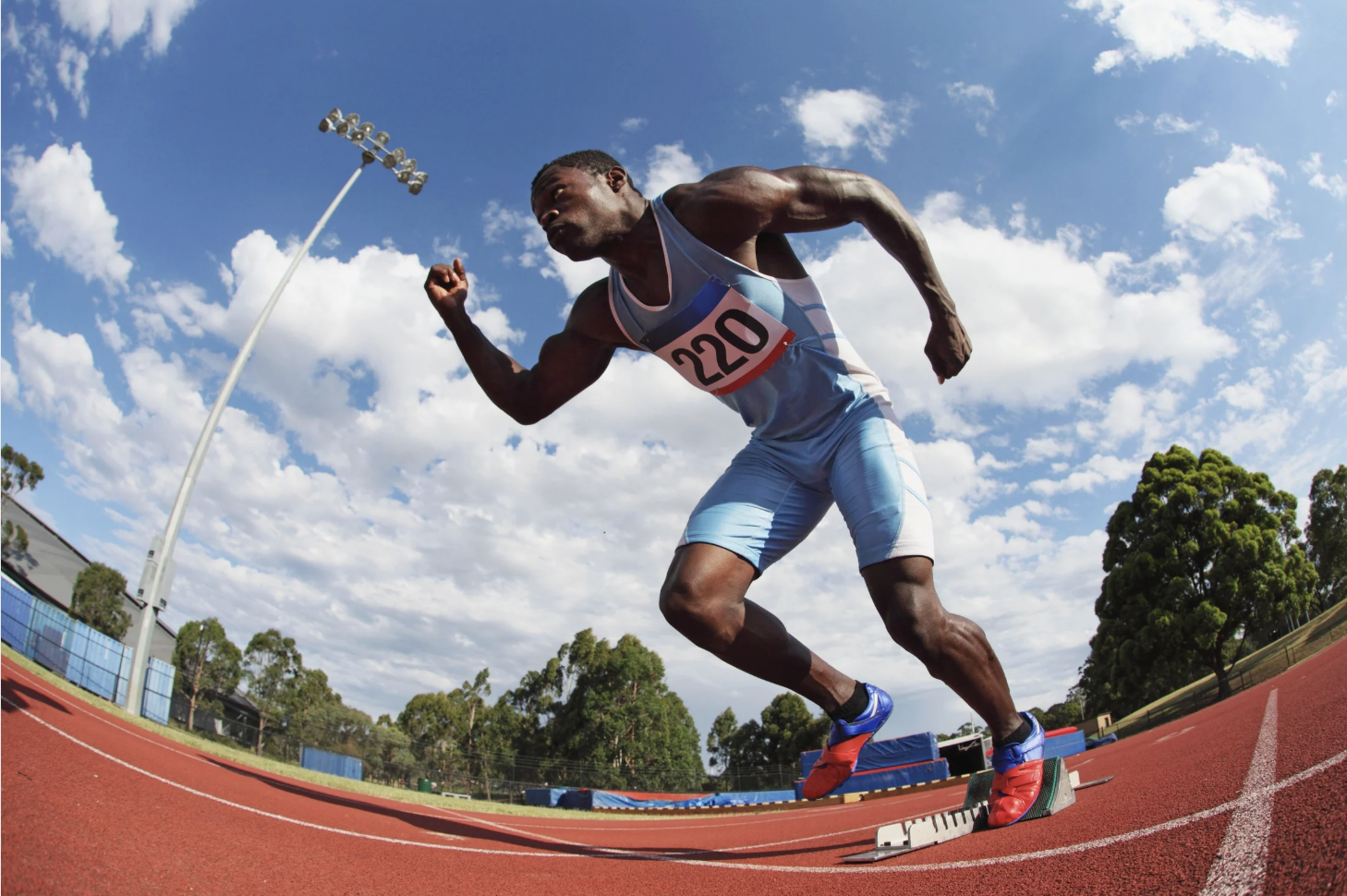
Photo By Canva
At Olympic Sports Scholarships, we often get asked about supplements. Should you take them? Which ones actually work? Do you even need them?
The most important thing to understand is this: supplements are exactly that — supplements. They should only ever be used to add to a balanced diet, not to replace meals or food groups. Your foundation should always be whole foods: carbs, protein, healthy fats, fruit, and vegetables.
If you’re thinking about adding supplements, we strongly recommend you get a blood test or speak to a doctor/sports nutritionist first. Everyone’s needs are different, and guessing can do more harm than good.
That said, here are some supplements athletes may want to consider in certain situations.
Vitamins and Minerals
VITAMIN D
Supports bone health, immunity, and energy. Especially important in countries with limited sunlight during winter months.
iron
Crucial for oxygen transport and energy levels. Particularly worth considering if:
• You struggle with fatigue or lethargy.
• You follow a vegetarian or vegan diet.
• You’re a female athlete (higher risk of deficiency).
• You’re training or competing at altitude (greater red blood cell demands).
Important: take iron with Vitamin C (for absorption) and avoid taking it alongside caffeine.
magnesium
Great for muscle recovery, sleep quality, and immune function. Many athletes find it helpful to take around an hour before bed.
multivitamin
Not essential if your diet is varied and balanced, but can be useful as a backup during busy periods, travel, or competition weeks when food choices might be limited.
performance-related supplements
creatine
Well-researched and safe when used properly. Especially useful for sprinters, jumpers, and throwers — basically, events requiring repeated bouts of high power and strength training.
beta-alanine
Can help buffer lactic acid, so may benefit athletes in events that produce high levels of fatigue, such as 400m and above.
beetroot juice (nitrates)
Linked to improvements in endurance and oxygen efficiency. Can be particularly useful in middle-distance events.
sodium bicarbonate (bicarb)
Taken a couple of hours before racing, it may help buffer lactic acid in longer sprint and endurance events. Needs careful trialling in training first, as it can cause stomach issues in some athletes.
If you’re considering adding bicarb to your race-day strategy, head over to our Flycarb page to explore their athlete-approved, easy-to-use products. Flycarb offers reliably dosed, endurance-focused bicarb options that are far more convenient (and stomach-friendly) than traditional methods, making it easier to test safely and find what works for you.
collagen
Can be worth considering if you struggle with tendon or joint issues, especially during heavy training blocks.
Recovery Support
If you can’t get a proper meal within an hour after training, a snack or shake can be a smart option. Aim for something with a 3:1 carbohydrate-to-protein ratio to kick-start recovery.
Examples:
• A chocolate milkshake
• A suitable protein shake
• A balanced recovery bar
These are practical, not essential — but they help when life gets in the way of meals.
Safety First
Not all supplements are created equal. Some can contain banned substances, even if they’re not listed on the label. To protect yourself:
• Only use batch-tested, WADA-approved supplements.
• Consult with a sports doctor or nutritionist before starting anything new.
• Get a blood test if you suspect you’re low in a vitamin or mineral, rather than self-diagnosing.
Final Thoughts
Supplements can give you an edge, but they’ll never replace the basics: a well-rounded diet, quality sleep, and consistent training. Think of them as the icing on the cake, not the cake itself.
At Olympic Sports Scholarships, we’ll guide you with clear, practical advice so you can make informed decisions about your health and performance. With the right foundation in place, supplements can play a small but useful role in helping you reach your potential.